
02 September 2026
Cheap hire, costly mistake: Energex and Ergon warns excavator users to watch for the power network
Energex and Ergon Energy Network are urging anyone hiring an excavator, including DIY renovators, landscapers and rural property owners, to take extra care around overhead and underground power lines.
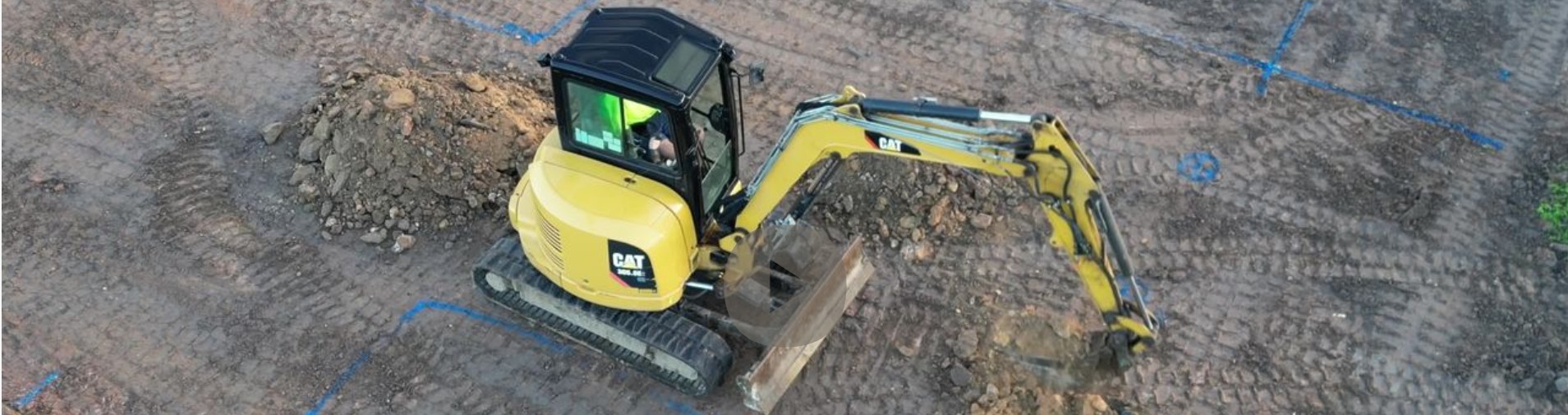
With excavators relatively inexpensive and easy to hire, Energex and Ergon have seen a rise in incidents where people accidentally dig into underground power cables or hit overhead powerlines when extending an excavator arm or even just moving about on site.
These incidents can have serious consequences and last year alone Queensland’s power network was struck 85 times by excavators.
Striking electrical infrastructure can cause severe injury or death, either to the operator or people nearby.
It can also cut power to homes, businesses and essential services, and result in costly repair bills for the person responsible.
In some cases, the sudden loss of power is impacting those vulnerable people in our community resulting in potential life-threatening situations.
“When you hit powerlines and cables you rarely get a second chance,” Area Manager Chris Pell said.
“Contact with electricity can be fatal in an instant. Even if someone walks away physically unharmed, they may still face a large damage bill and be responsible for cutting power to their local community.”
Before starting any digging, Energex and Ergon are reminding people to check what’s below the surface and above their heads.
Underground cables may not be visible, even on a private property, while overhead powerlines can be overlooked when excavator arms, booms or attachments are raised.
“Always look up before you lift and plan your work so machinery stays well clear of overhead powerlines,” Mr Pell said.
“Before digging, it’s essential to check for underground services by using the free Before You Dig service at www.byda.com.au.”
Energex and Ergon also recommend keeping a safe distance from all powerlines, never assuming a line is insulated or safe to touch and stopping work immediately if you’re unsure about the location of electrical infrastructure.
“Hiring an excavator might be cheap, but the consequences of hitting a powerline can be fatal,” Mr Pell said.
“A few simple checks can prevent serious injury, power outages and expensive mistakes.”
Mr Pell also urged anyone who accidentally comes into contact with electrical infrastructure while in a vehicle or operating machinery to remain in it.
“Anyone who accidentally hits the network should never attempt to exit the vehicle, as live electricity can pass through their body from the vehicle and cause a serious electric shock,” Mr Pell said.
“If your vehicle becomes entangled, the safest approach is to stay, call, wait. That is, stay inside the vehicle, call Triple Zero (000), and wait for emergency services and our crews to arrive.
“If a secondary life-threatening situation, such as a fire, forces you to leave the vehicle, avoid touching the potentially electrified vehicle and the ground at the same time. Open the door, jump clear as far as possible, and shuffle your feet until you are at least 10 metres away.”
Anyone who damages electricity infrastructure or comes into contact with powerlines should keep well clear and call Triple Zero (000) immediately.
ENDS